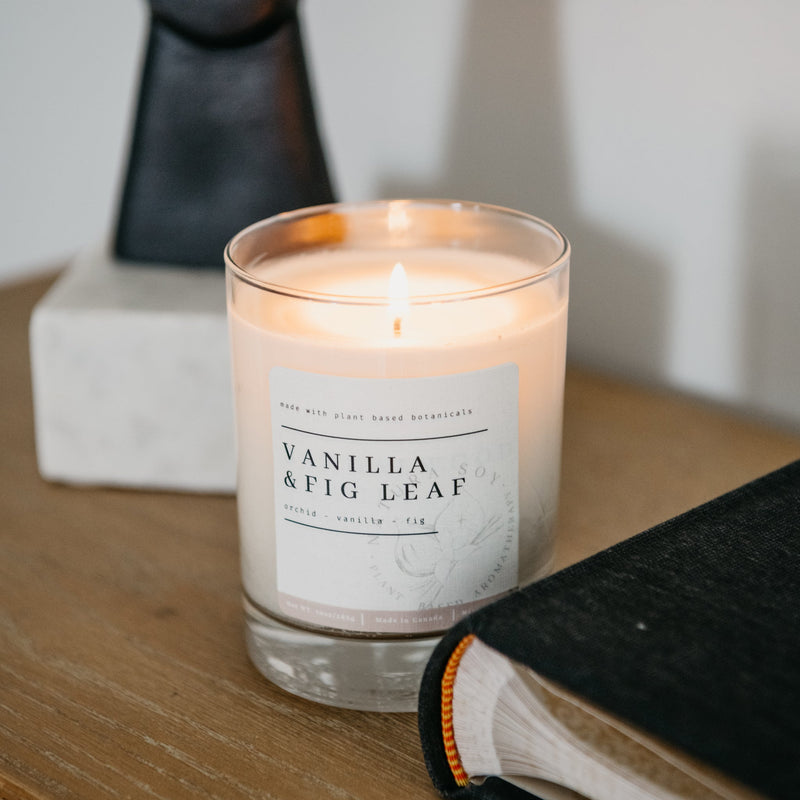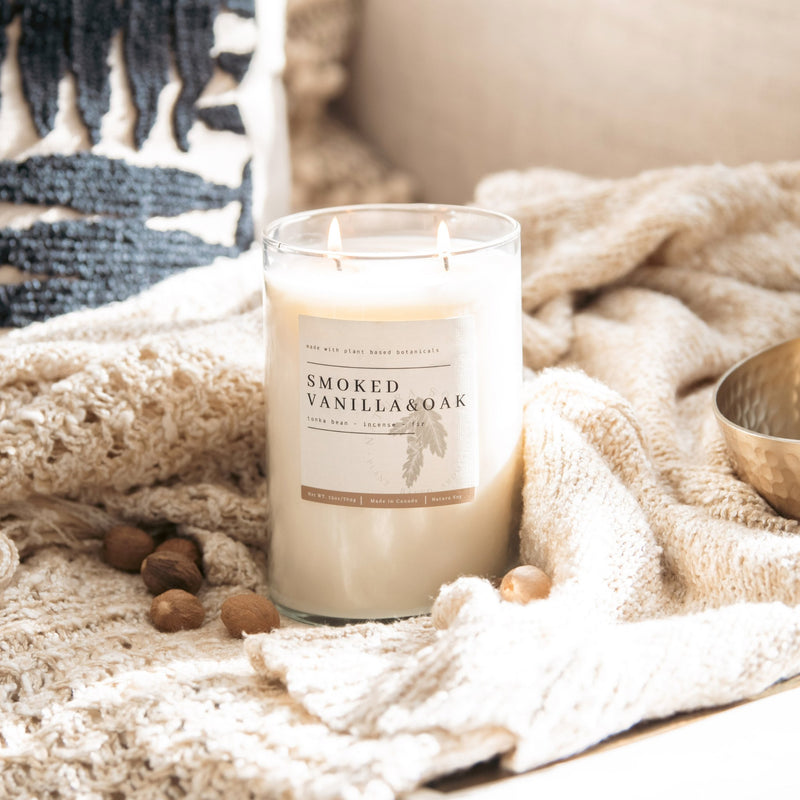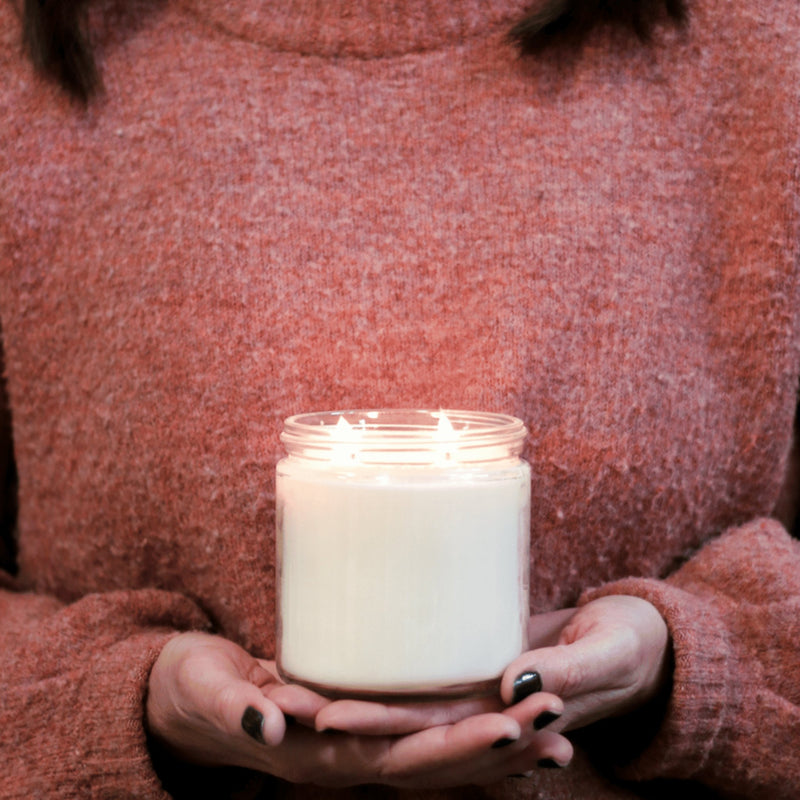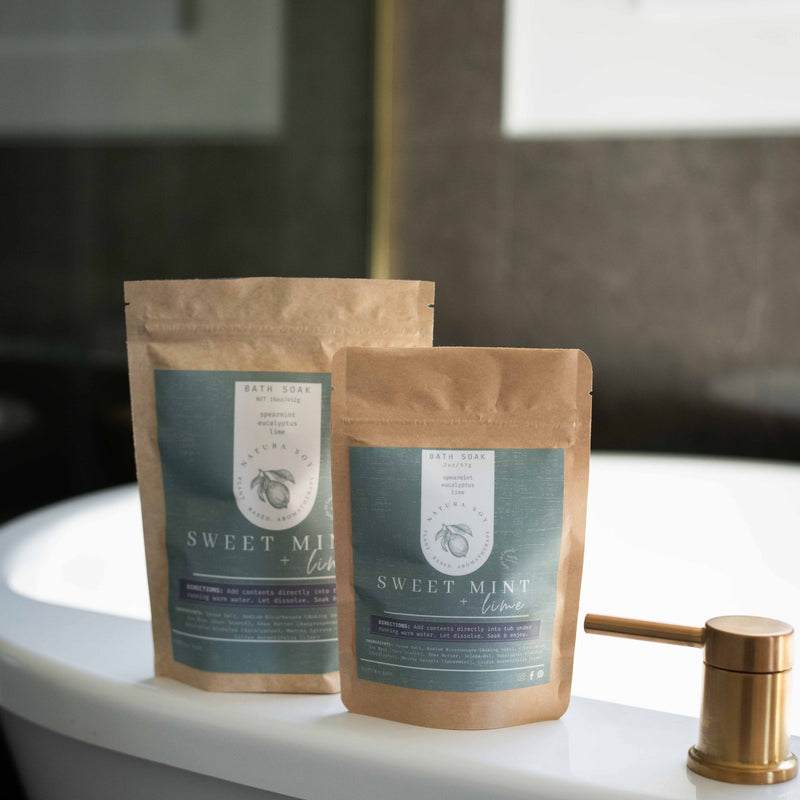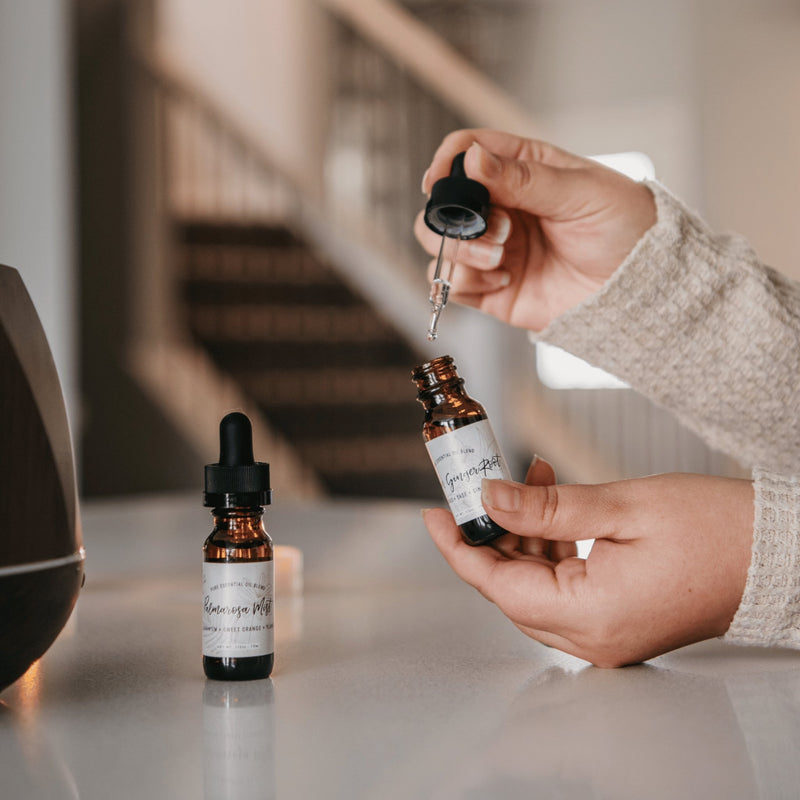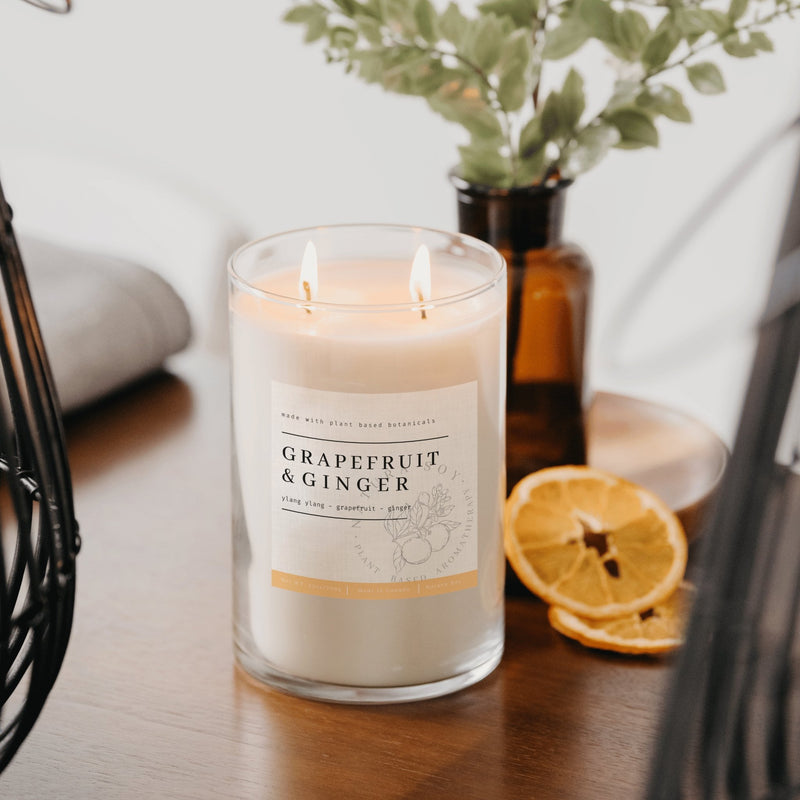

Fall candle season has arrived. So have the labels covered in words like soy, clean, natural and non-toxic.
But here is the part that deserves a closer look: a candle can contain soy wax without being an all-natural candle. It may be a blend. Its scent may come from conventional synthetic fragrance. It may contain dye or other additives that are not obvious from the name on the front.
That does not automatically make it a bad candle. It does mean that “soy candle” does not tell you the whole story.
If you are looking for natural fall candles because you care about what you burn in your home, turn the candle around, read the product page and ask a few questions. These seven checks will tell you far more than the autumn leaves on the label.
1. What is the wax actually made from?
Look for a clear statement such as 100% soy wax, beeswax or coconut wax. If the label only says “soy blend,” “soy-based” or “made with soy,” the candle may contain another wax, including paraffin.
There is nothing wrong with a maker explaining that a product is a blend. The important part is knowing what you are buying.
A transparent candle company should be able to answer:
-
Is the wax 100% soy, or is it blended with another wax?
-
Does it contain paraffin?
-
Are any wax additives used?
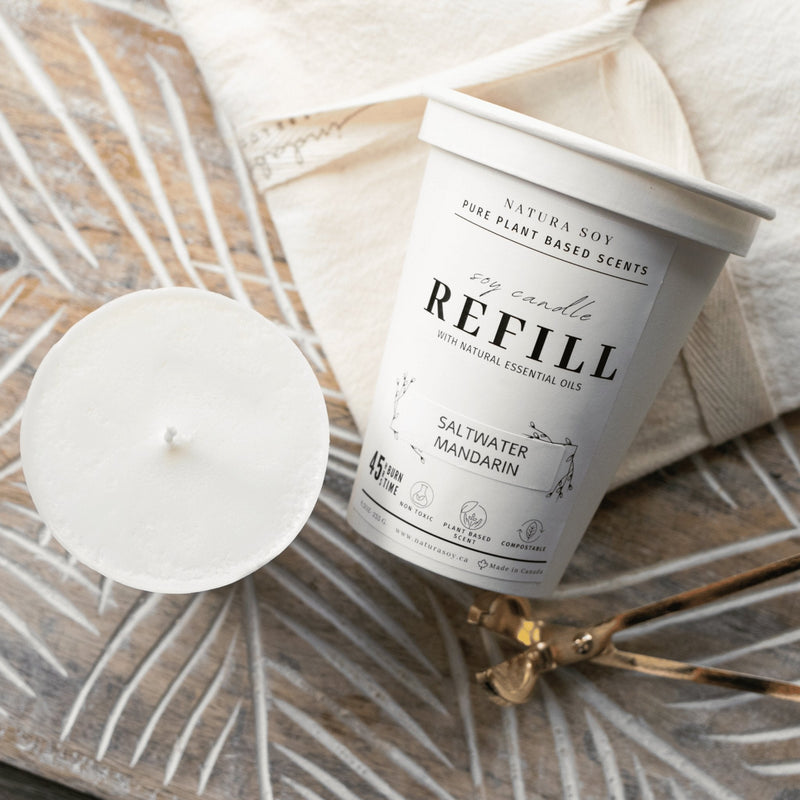
At Natura, our candles are made with pure soy wax rather than a soy-paraffin blend.
2. Where does the scent actually come from?
This is where candle shopping becomes less straightforward.
A list of scent notes tells you what a candle is intended to smell like. It does not necessarily tell you what was used to create that smell. “Pumpkin,” “apple pie” or “autumn woods” on the front is a description, not an ingredient list.
If knowing the source matters to you, look for more specific language. Was the scent created with conventional synthetic fragrance, essential oils, botanical extracts, absolutes or plant-derived aromatic compounds?
Natural perfumery still takes skill. Some familiar aromas cannot simply be squeezed or distilled from the item pictured on the label. There is no bottle of pumpkin essential oil, for example. A natural pumpkin scent has to be built from plant-based aromatic materials that suggest warm squash, spice and sweetness.
That is very different from assuming the word “pumpkin” is the ingredient.
3. Be cautious with vague fragrance claims
“Made with essential oils” can mean essential oils are included, but it does not necessarily mean they are the only source of scent. Likewise, words such as “clean,” “green” and “non-toxic” can mean different things from one company to another.
Instead of relying on one reassuring phrase, look for direct answers:
-
Is the scent 100% plant-based?
-
Is synthetic fragrance used?
-
Are phthalates used?
-
Will the company explain the types of aromatic ingredients it uses?
We prefer ingredient transparency over fear-based language. Even natural ingredients may not suit every person, pet or sensitivity. If scent tends to trigger headaches or irritation for you, begin with a smaller candle, use it for a shorter period and keep the room ventilated.
4. Check the wick material
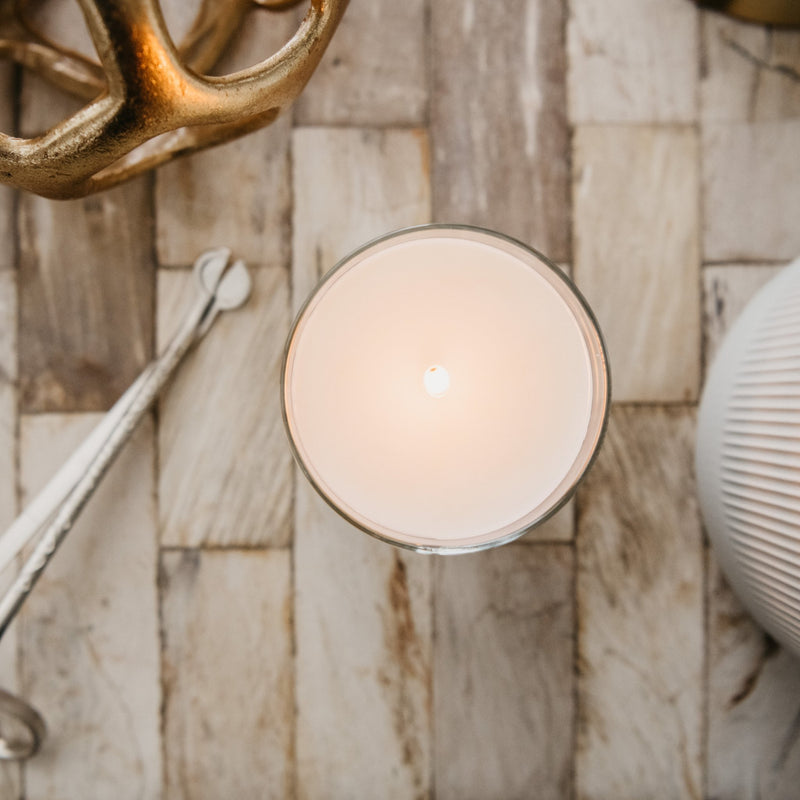
The wick affects how evenly a candle burns and how much visible soot it may produce. Look for a wick made from cotton, wood or another clearly identified material, and check that it is lead-free.
A wick should also suit the size of the container and the wax. If a flame is unusually high, flickers constantly or produces visible smoke, extinguish the candle, let it cool and trim the wick before relighting it.
Natura candles use lead-free cotton wicks selected for each candle size.
5. Look for added dyes
Deep orange, burgundy and black wax may look dramatic in a fall display, but colour is not necessary for fragrance or performance.
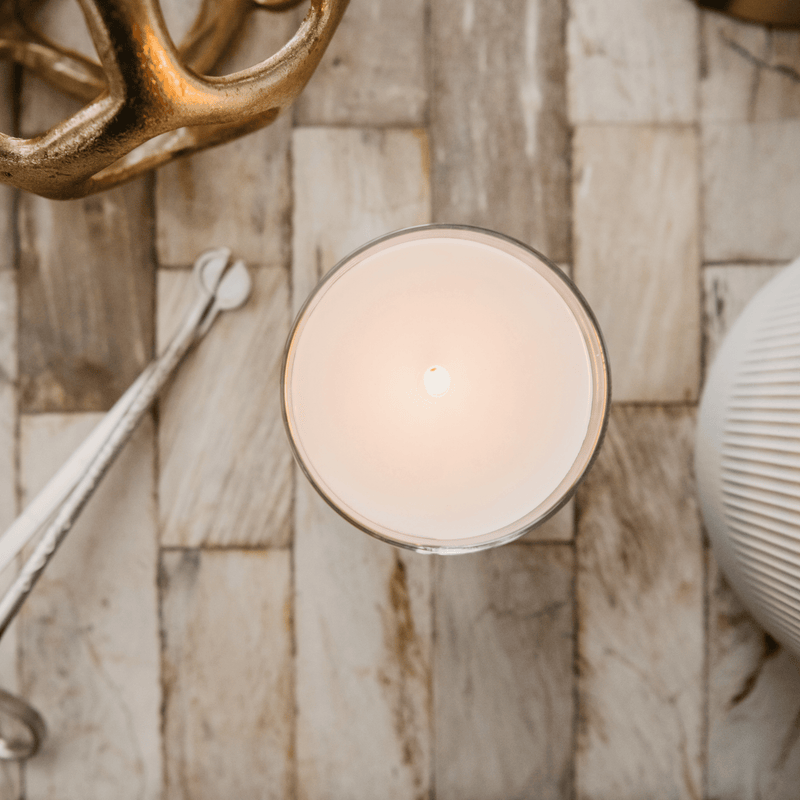
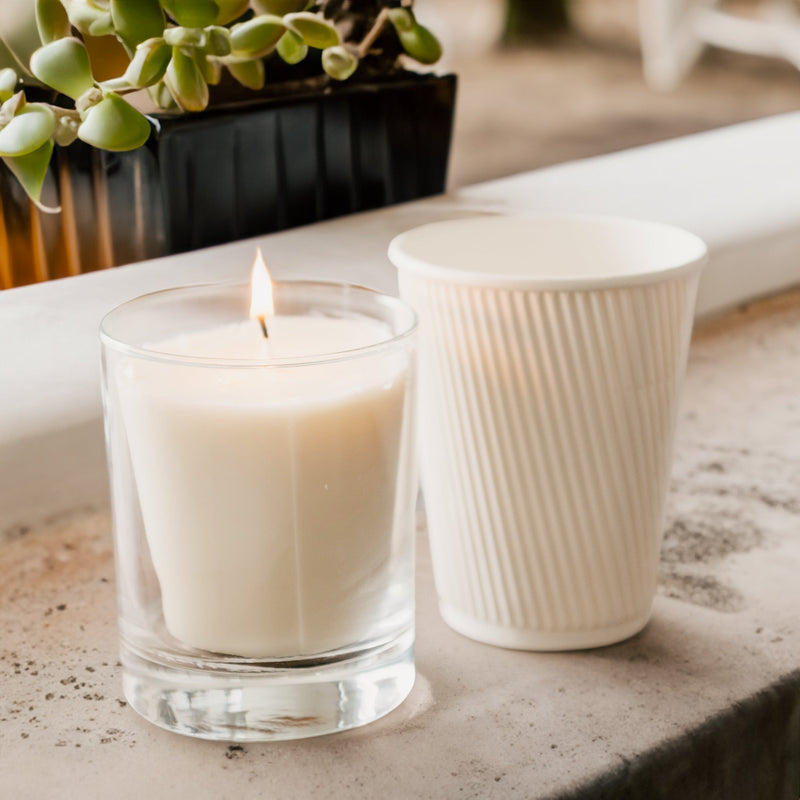
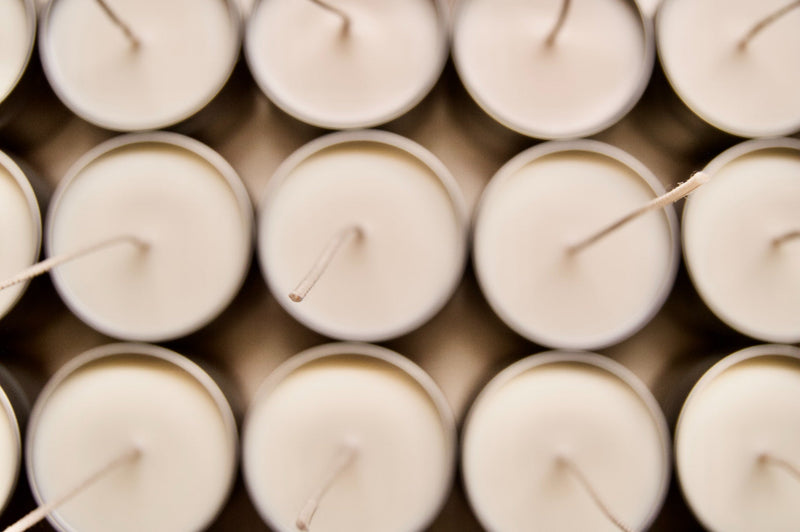
If you want a simpler candle, look for one that is dye-free. An undyed soy candle will naturally have a creamy off-white appearance, although the plant-based aromatic blend may cause slight variations in colour.
At Natura, we let the vessel and the label bring the seasonal colour. Our candle wax is left undyed.
6. Find out where it was made
“Designed in Canada,” “Canadian company” and “made in Canada” do not all mean the same thing.
If local production matters to you, look for the actual place of manufacture. Knowing where a candle was poured also makes it easier to ask questions about ingredients, sourcing and production.
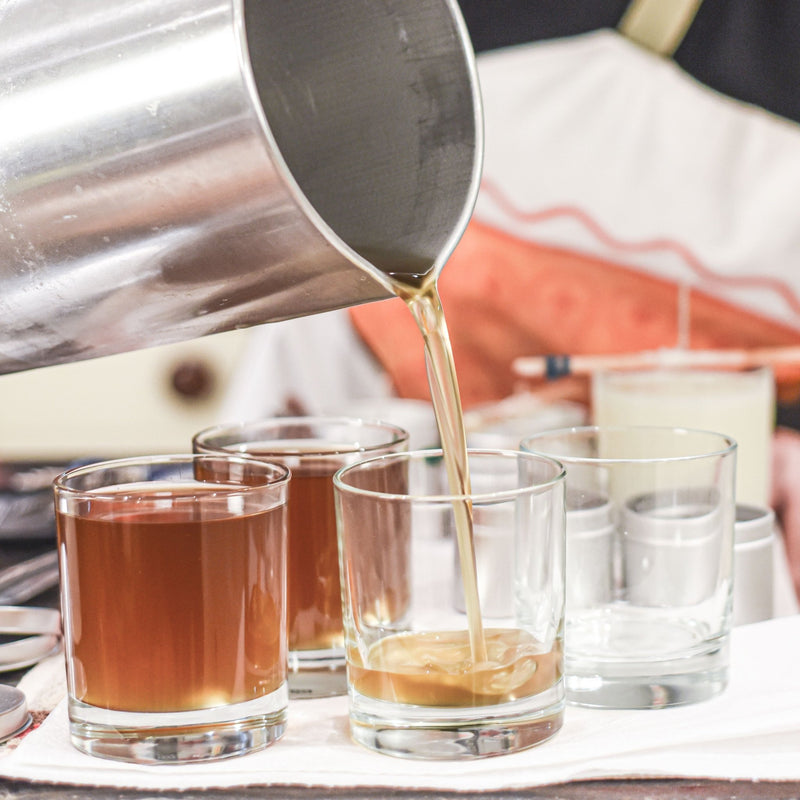
Every Natura candle is poured in small batches in our studio in Okotoks, Alberta. We also design, test, label, pack and ship our products from the same space.
7. Read the burn instructions before lighting
Good burn instructions are not filler. They help a candle burn more evenly, last longer and produce less smoke.
Before lighting your candle:
-
Place it on a stable, heat-resistant surface away from drafts.
-
Trim the wick to approximately 6 mm (¼ inch), unless the maker directs otherwise.
-
Allow the first melt pool to reach close to the edge of the container. For many jar candles, this takes three to four hours.
-
Do not burn a candle longer than the time recommended by its maker.
-
Never leave a burning candle unattended or within reach of children or pets.
If the candle smokes, the flame grows too high or the wick develops a large carbon cap, extinguish it and trim the wick once the wax has cooled.
What do natural fall scents actually smell like?
Creating a familiar fall atmosphere without conventional synthetic fragrance is not about making the strongest candle in the room. It is about combining plant-based aromatic ingredients so the scent feels recognizable, balanced and comfortable to live with.
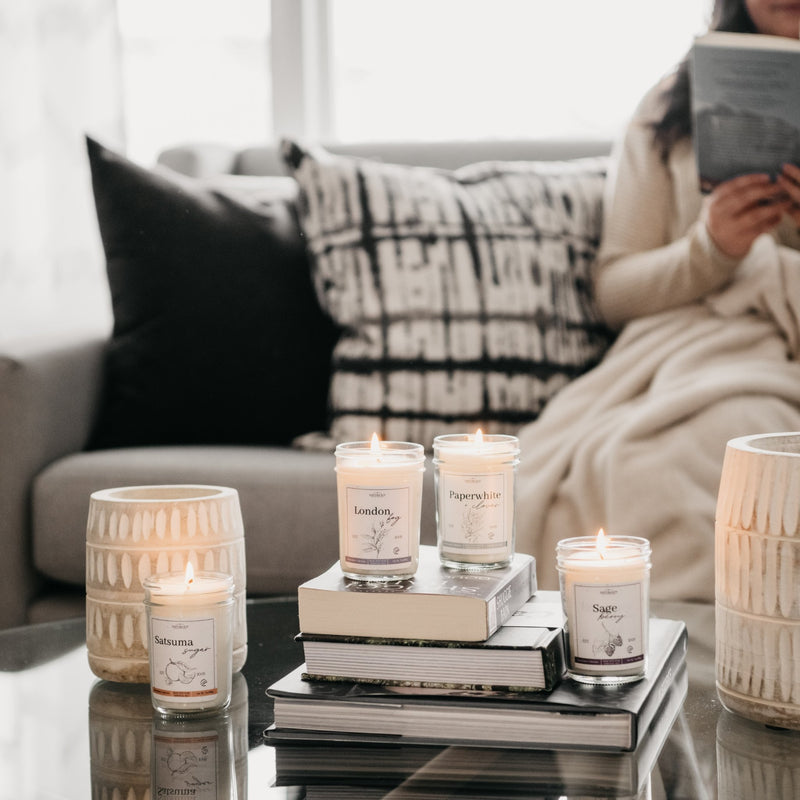
Our current fall scent collection moves through the season in a few different ways:
-
Honey Apple Cider gives the impression of a warm orchard drink with bright orange and lemon blossom, ginger and clove, softened by jasmine, peach and creamy vanilla.
-
Pumpkin Ginger creates that familiar pumpkin-spice feeling with ginger, cardamom and nutmeg over a warm tonka and vanilla base.
-
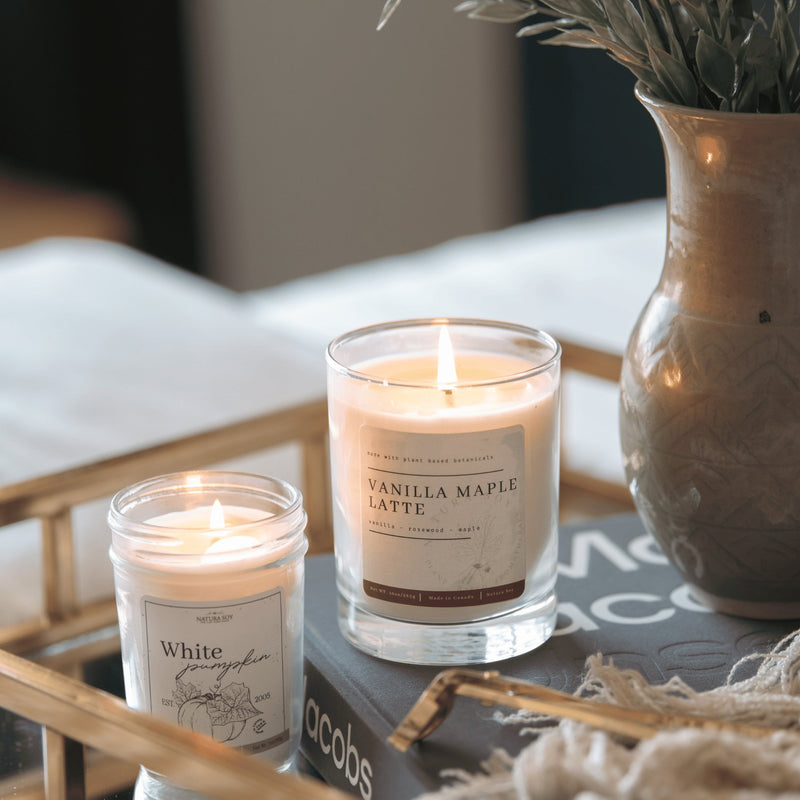
Vanilla Maple Latte feels like a cozy café, pairing maple-like warmth with cardamom, clove, rosewood, balsamic vanilla and coconut milk notes.
-
Spiced Berry Plum uses bright citrus to suggest a ripe berry quality, then adds cardamom, nutmeg, black pepper, amber and vanilla for depth.
-
Twilight Hallow is the darker side of fall, blending balsam, cedar and patchouli with sage and bergamot.
-
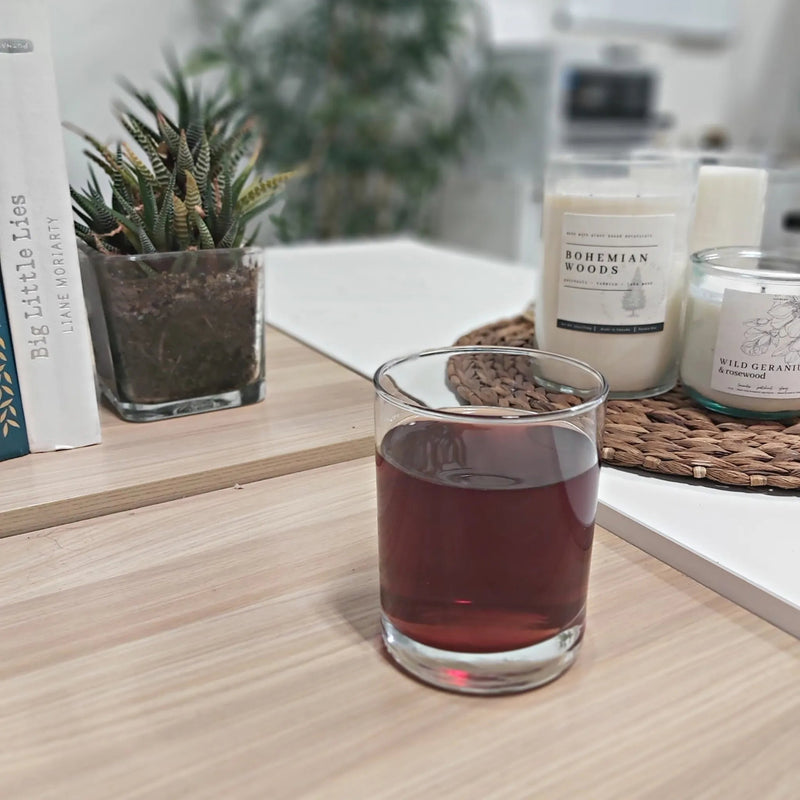
Bohemian Woods leans earthy and layered, with sandalwood, laka bark, cedarwood, fir needle, fern, patchouli and tobacco leaf notes.
-
Vanilla Spicewood, found in our limited-edition glass pumpkin candle, is softly spiced with vanilla, nutmeg, cassia and sandalwood.
These scents are created with plant-based aromatic ingredients, including pure essential oils, absolutes, extracts and naturally derived isolates. The goal is not to imitate the loudest conventional fall candle. It is to create a more natural expression of apple, pumpkin, spice, vanilla and woodland aromas.
A simple final test
Before buying a fall candle, ask yourself: Can I tell what the wax is, what creates the scent, what the wick is made from and where the candle was produced?
If those answers are hard to find, the front label may be telling you more about the marketing than the candle.
You do not need to be a chemist to choose a candle thoughtfully. You only need clear information and a maker willing to provide it.
Explore our natural fall candles and home fragrance, made in Okotoks, Alberta.