
If you’ve been researching natural candles, non-toxic candles, or clean home fragrance, you’ve probably noticed how confusing the language can be.
Terms like natural, clean, and non-toxic are used widely in the candle industry, but they don’t have strict definitions. A candle can be called “natural” because of the wax it uses, the fragrance ingredients it avoids, or simply because that’s how the brand chooses to describe it.
Understanding what those terms actually refer to makes it easier to choose candles and home fragrance products with confidence.
Are Natural Candles Really Natural?
Sometimes — but not always.
A candle might be called natural because it uses soy wax instead of paraffin, or because certain chemicals have been removed from the fragrance blend.
However, many candles made with soy wax are still scented with synthetic fragrance oils. In those cases, the wax may be plant-derived while the fragrance itself is still created using lab-designed aroma compounds.
This is why the word “natural” can mean different things depending on how a candle is formulated.
Are Soy Candles Non-Toxic?
Soy wax is derived from soybean oil and is commonly used as an alternative to paraffin wax, which is petroleum-based.
On its own, soy wax is generally considered a cleaner-burning wax. But the overall composition of a candle matters more than the wax alone.
When a candle burns, it releases fragrance compounds into the air along with the wax vapor. The ingredients used to create the scent can have a larger influence on the overall experience than the wax itself.
That’s why understanding both the wax and the fragrance ingredients is important when choosing candles.
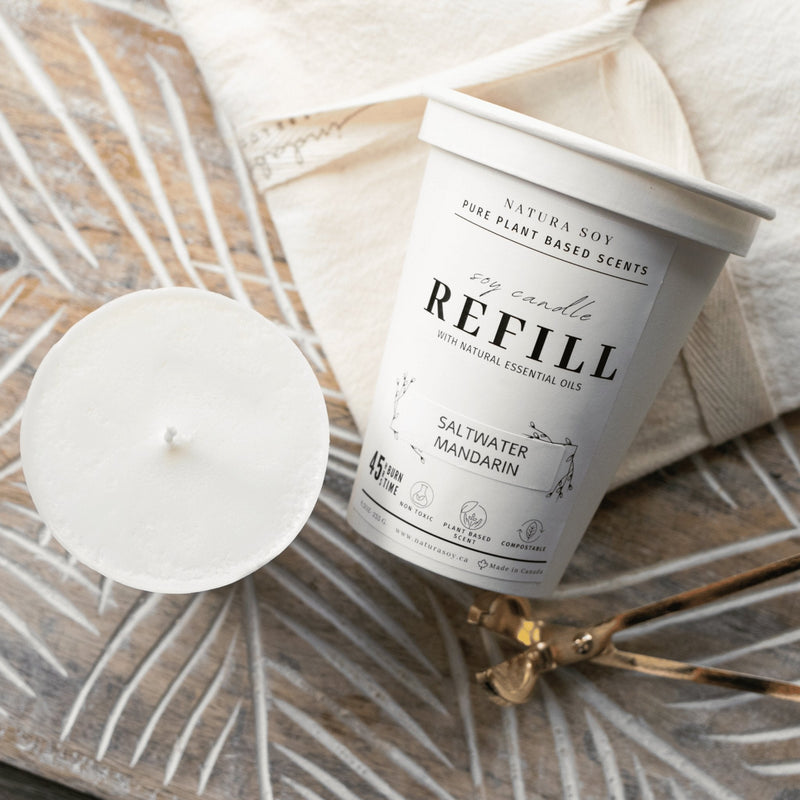
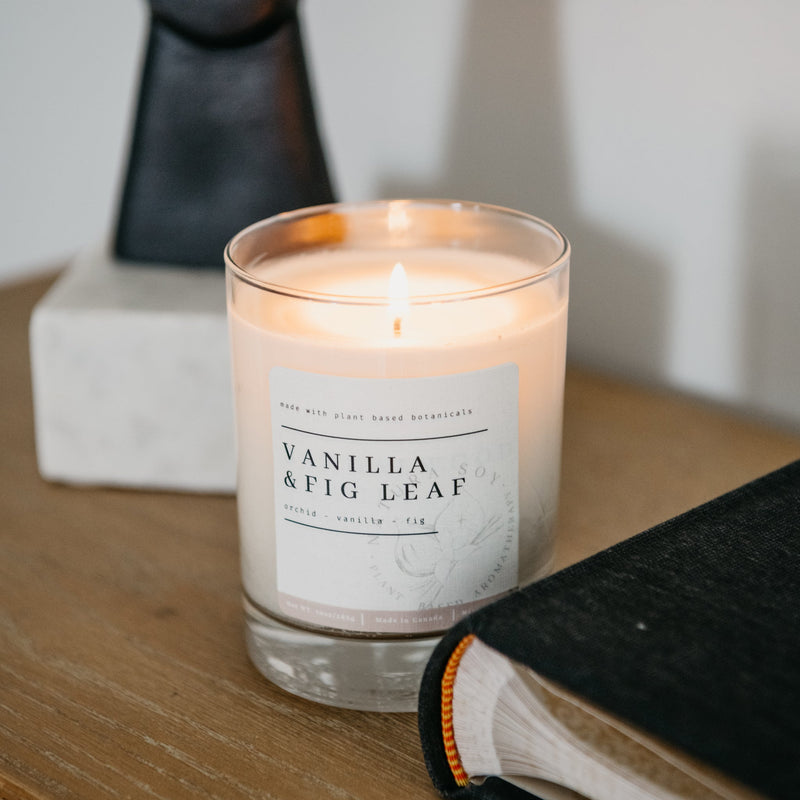
At Natura Soy, our candles are made with soy wax and cotton wicks, but we place equal emphasis on the aromatic ingredients used to scent them.
Essential Oil Candles vs Fragrance Oil Candles
Candles are typically scented in one of two ways.
Fragrance Oils
Fragrance oils are engineered blends of aromatic compounds designed to produce strong scent throw and consistent fragrance profiles. They allow manufacturers to create highly specific scents and bold aromas.
Plant-Derived Aromatics
Plant-derived scent ingredients may include:
-
essential oils
-
absolutes
-
botanical extracts
-
naturally derived aroma compounds
These ingredients originate from plants and tend to produce more layered, nuanced scents compared to synthetic fragrance blends.
Candles formulated with plant-derived aromatics often smell softer and more balanced rather than intensely perfumed.
At Natura Soy, we formulate our fragrances using plant-derived aromatic ingredients, which helps create scents that feel comfortable in everyday living spaces rather than overwhelming.
What Does “Phthalate-Free” Mean?
You may also see candles labeled phthalate-free.
Phthalates are a group of chemicals historically used in some fragrance formulations. Removing them is considered a positive step, but the phrase “phthalate-free” doesn’t mean the fragrance itself is plant-based.
It simply means that particular ingredient is not used.
Are Soy Candles GMO?
This is a common question.
Most soybeans grown in North America today are genetically modified crops used in large-scale agriculture. According to data from the USDA Economic Research Service, the majority of soybeans grown in the United States are genetically engineered varieties.
Soy wax is produced by hydrogenating soybean oil, converting the oil into a solid wax suitable for candles. The finished wax does not contain genetic material, but that is different from saying the crop itself was certified non-GMO.
At this time, there is no widely available soy wax used in candle manufacturing that is certified non-GMO from crop origin.
When evaluating candles, the fragrance ingredients used in the formulation often have a greater influence on the indoor fragrance experience than the GMO status of the crop used to produce the wax.
Is Soy Wax Organic?
Soy wax begins as soybean oil that has been converted into a solid wax through hydrogenation — a processing step similar to how many plant oils, such as canola or sunflower oil, are refined for everyday use.
While organic certification applies to agricultural crops and approved processing standards, there is currently no commercially available soy wax used in candle manufacturing that carries USDA Organic certification.
When products are described as “organic soy candles,” it’s important to understand which component of the product is actually certified.
Natural Fragrance Beyond Candles
Candles are only one way people enjoy fragrance in their homes.
Many households use fragrance through several everyday products, including room sprays, wax melts, laundry products, and shower aromatherapy.
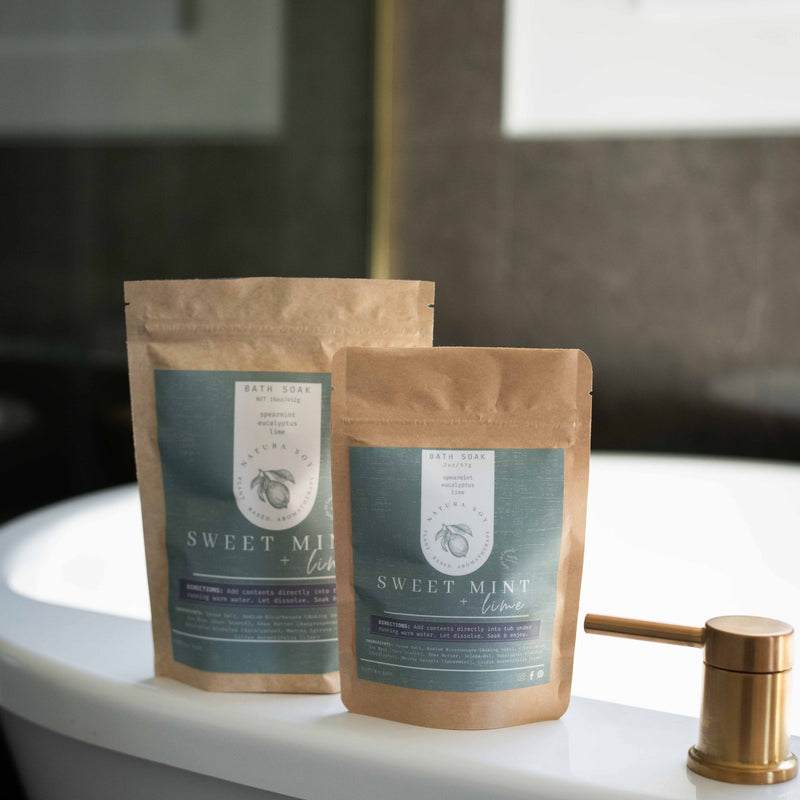
At Natura Soy, our collection includes products designed for different parts of the home, such as:
-
soy candles for ambient fragrance
-
aroma mists for quick scent refresh
-
soy wax melts for flameless fragrance
-
laundry powders and scent boosters for naturally scented fabrics
-
Bath & Body for aromatherapy and everyday wellness
Each product follows the same approach: creating balanced fragrance that feels natural in everyday living spaces.
What This Means When Choosing Candles
The word natural in home fragrance doesn’t have a single definition.
It may refer to the wax, the fragrance ingredients, or the overall philosophy behind how a product is made.
Looking at the full formulation — including wax, fragrance ingredients, and manufacturing approach — provides a clearer understanding of what a candle actually contains.
For many people, that knowledge is the first step toward choosing fragrance products that better match how they want their homes to smell and feel.
Frequently Asked Questions
Are natural candles really natural?
Not always. A candle may be labeled “natural” because it uses soy wax or is phthalate-free, but it may still contain synthetic fragrance oils. The term “natural” isn’t tightly regulated in the candle industry. At Natura Soy, our fragrances are blended using plant-derived aromatic ingredients such as essential oils, absolutes, botanical extracts, and naturally derived aroma compounds.
Are soy candles better than paraffin candles?
Soy wax is plant-derived and renewable, while paraffin wax is petroleum-based. Many people choose soy candles because they prefer a plant-based wax option. At Natura Soy, our candles use soy wax and cotton wicks, paired with plant-derived fragrance blends designed to create balanced scent rather than overpowering fragrance.
What’s the difference between fragrance oils and essential oils in candles?
Fragrance oils are typically synthetic scent blends engineered for strong scent throw and stability. Essential oils and other plant-derived aromatics come from botanical sources and tend to produce more layered, nuanced scents. Natura Soy formulates its fragrances using plant-derived aromatic ingredients rather than synthetic fragrance oils.
Are essential oil candles better than fragrance candles?
It depends on what you’re looking for in a candle. Synthetic fragrance oils are engineered to create very strong, consistent scents and allow manufacturers to produce a wide variety of fragrance styles.
Essential oils and other plant-derived aromatics come from botanical sources and often create more layered, natural-feeling aromas.
At Natura Soy, our fragrances are blended using plant-derived aromatic ingredients including essential oils, absolutes, botanical extracts, and naturally derived aroma compounds to create balanced scents designed for everyday living spaces.
Are soy candles toxic?
Soy wax itself is generally considered a cleaner-burning wax. However, the ingredients used to scent a candle influence what is released into the air when it burns. That’s why Natura Soy focuses on plant-derived aromatic ingredients and carefully balanced formulations when creating candles and home fragrance products.
What products does Natura Soy offer besides candles?
Many people enjoy fragrance in different ways throughout their home. In addition to soy candles, Natura Soy offers aroma mists, wax melts, laundry powders, scent boosters, and bath and body—all designed with the same approach to plant-derived fragrance.